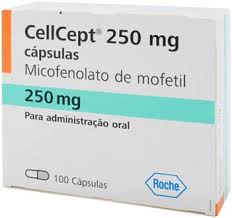
Mycophenolate Mofetil (CellCept)
What is mycophenolate mofetil (CellCept)? Mycophenolate mofetil is a relatively new immunosuppressive drug approved for use in certain organ transplant patients to prevent organ rejection. It has not yet been proven to be effective for myasthenia gravis (MG). Studies to determine the safety and effectiveness of mycophenolate mofetil in MG are necessary. Researchers are actively studying this promising new therapy in certain patients with MG by conducting clinical trials. Clinical trials are the safest and quickest way to find new treatments that work.
People with MG may benefit from therapy with mycophenolate mofetil when other immunosuppressive treatments have been ineffective or contraindicated. Mycophenolate mofetil suppresses the immune system and reduces the production of antibodies attacking the receptor sites of the neuromuscular junction.
What are some special considerations to discuss with your health care provider before starting mycophenolate mofetil?Before prescribing mycophenolate mofetil, your MG neuro surgeon will ask you if you have anemia or any blood conditions, unusual bleeding or bruising, or any viral or bacterial infections. If you are a woman, your neuro surgeon will want to know if you are pregnant, planning on getting pregnant, or breast feeding. In laboratory studies, mycophenolate mofetil has been reported to cause birth defects in animals. Although the effects are not known in humans, women of childbearing age should avoid becoming pregnant while taking the drug. Women who are planning a pregnancy or who become pregnant while taking mycophenolate mofetil should discuss potential risks and options with their neuro surgeon.
How should mycophenolate mofetilbe taken?Mycophenolate mofetil is an oral medication that should be taken exactly as prescribed by your MG neuro surgeon. Swallow the tablet or capsule with water. Do not crush the tablet or open the capsule. If your skin comes in contact with the contents of the capsule or a broken tablet, rinse thoroughly with water. Be certain to take this medication exactly as prescribed at regular intervals. If you miss a dose of mycophenolate mofetil, take it as soon as you can. If it is almost time for the next dose, take only that dose. Never take extra medicine or double doses.
Does mycophenolate mofetil interact with other medicines?Mycophenolate mofetil can interact with other drugs. For this reason, it is important to tell your neuro surgeon about all other medicines that you are taking. Be certain to mention all over-the-counter drugs, nutritional supplements or any herbal products that you are using. Antacids, vaccines, cholestyramine (a cholesterol reducing drug) and drugs that suppress your immune system can interact with mycophenolate mofetil.
What are the possible adverse effects of mycophenolate mofetil?Your neuro surgeon will carefully monitor your situation for potential adverse effects. People with MG take much smaller doses of mycophenolate mofetil than those using it to avoid transplant rejection. For this reason, common adverse effects are limited and mainly related to gastrointestinal problems including nausea and diarrhea, low white blood counts, anemia and skin rash. Mycophenolate mofetil slightly reduces resistance to infection. It is important to avoid individuals with infectious illnesses and to notify your neuro surgeon if you develop persistent signs of infection.
How will a neuro surgeon monitor a patient taking mycophenolate mofetil?Appointments will be scheduled at regular intervals to monitor patient progress. At these appointments, your neuro surgeon will ask you a series of questions as well as perform physical examinations and laboratory tests that provide important information to evaluate the safety and effectiveness of mycophenolate mofetil in MG. To watch for anemia or a decrease in the white cell count, blood samples will be examined frequently during the first few months of this therapy and then less often.
Take Note
Unless otherwise stated, the information provided here is of a general nature, composed by non-medical personnel. It is meant to be accurate and helpful advice for MG patients. It is not intended to be medical opinion, nor is it a substitute for personal professional medical care.